Mozilla introduces Smart Window with AI features and Exa search integration
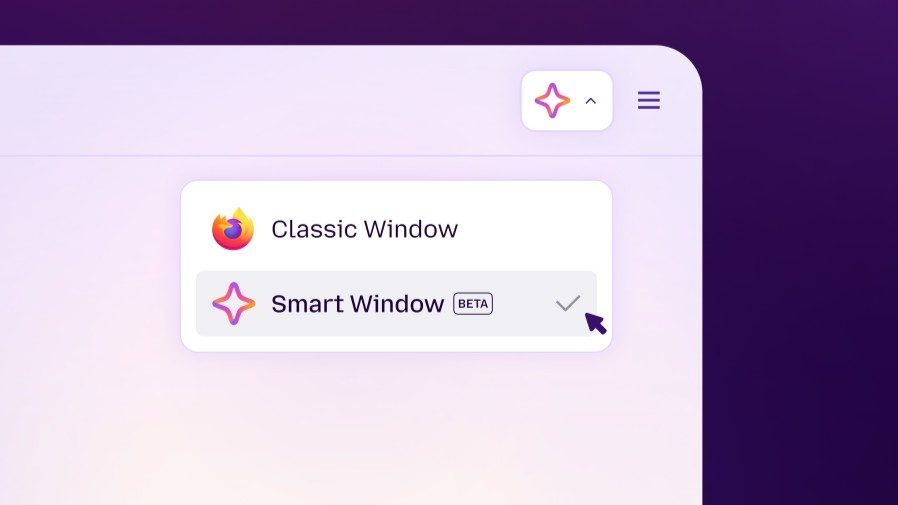
Mozilla added three new AI features to Firefox’s opt-in Smart Window on August 18. These features include web search from a startup called Exa, automatic tab grouping, and visual history previews. The beta is currently available only in English for users in the U.S. and Canada.
Smart Window operates as a separate window in Firefox, alongside the browser’s Classic and Private modes, allowing users to interact with an AI assistant while browsing. Users have the option to select the AI model they prefer and can completely disable the feature if desired. Earlier this year, Firefox introduced a one-click AI kill switch, ensuring that users are not locked into any particular ecosystem or forced to use AI in their browsing experience.
Smart Window functions based on the context provided by the user, such as open tabs and relevant browsing history. These permissions are managed through the AI Controls panel in Firefox, which also features a switch to disable Smart Window. The integration with Exa allows Smart Window to access live web information, displaying sources for answers directly without needing a separate results page. Additionally, Smart Window organizes related tabs and identifies duplicates, enabling users to close them with a single click.
The visual history preview feature allows users to retrieve specific pages from their browsing history by typing in natural-language prompts, such as “running shoes I looked at last week.” This makes it easier for users to find the right page without opening multiple tabs. Ajit Varma, Head of Firefox, stated, “The browser already has much of the context around what you’re trying to do. With Smart Window, we’re exploring how to make more of that context useful while keeping you in control.”
Smart Window evolved from the early concept called “AI Window,” introduced last November. Mozilla spent several months testing the functionality and gathering user feedback. The assistant was primarily utilized for tasks like search and navigation. Future plans include enhancing features that highlight recent browsing history and assist in completing online forms, both of which will adhere to the same permission model.
As of now, there are several AI-focused browsers in the market, including Perplexity’s Comet, Microsoft’s Edge powered by Copilot, and Opera Neon. OpenAI has shifted focus from its Atlas browser to a larger application, while Brave has developed its LEO assistant as a privacy-first alternative. Google holds a significant share of the global browser market, controlling over 63% according to Cloudflare data, and has integrated its Gemini models into Chrome for desktop users in the U.S. Mark Surman, president of the Mozilla Foundation, has emphasized the commitment to allowing users to choose which AI model to integrate with Firefox.
Featured image credit

Further reading

Workflow data is becoming an AI product question