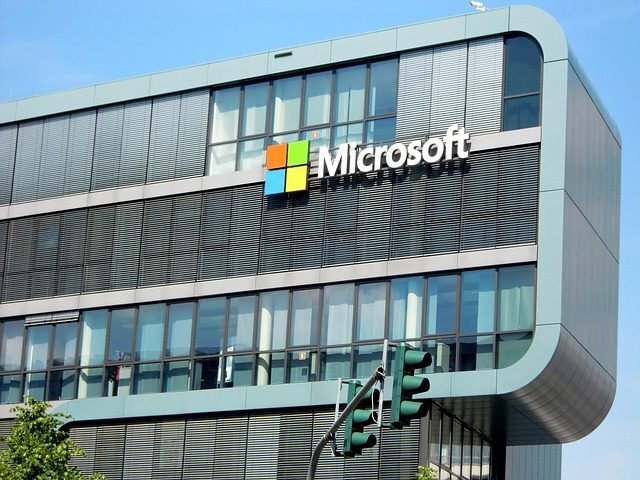
Microsoft reported a $678 billion backlog, reflecting strong demand for its AI offerings and cloud services, as it closed its fiscal 2026 fourth quarter. This backlog has raised optimism around the company’s future growth amidst scrutiny over capital expenditures.
The company announced a 43% year-over-year growth in Azure and other cloud services, surpassing $100 billion in annual revenue for the first time. Group revenue for the quarter ending June 30 rose 18% to $90 billion, while net income increased by 31% and operating income reached $40.6 billion. CEO Satya Nadella noted that the Azure revenue milestone reinforces Microsoft’s competitive position in the cloud market, with Microsoft 365 Copilot now boasting over 30 million paid seats.
Key to understanding Microsoft’s potential future performance is its commercial backlog, which grew 84% year-over-year, averaging a contract duration of 2.3 years. This figure encompasses the entire commercial portfolio, indicating that customers have committed substantial future spending to Microsoft’s ecosystem.
The results from Microsoft are noteworthy in comparison to other major cloud providers. Alphabet reported Google Cloud revenue of $24.8 billion, up 82% year-over-year, while Amazon Web Services (AWS) grew 37% to $42.2 billion. Although Google Cloud’s annualized run rate is nearing $99 billion, Microsoft’s Azure has recently achieved a significant milestone. Google Cloud’s backlog stands at $514 billion, with CEO Sundar Pichai acknowledging the company is facing supply constraints, suggesting strong demand.
However, this growth comes with significant capital expenditures for Microsoft, which surged approximately 80% in fiscal 2026 to around $116 billion. Guidance indicates that this figure could reach $175 billion in the current fiscal year. Additionally, free cash flow contracted by more than 23% in the last quarter. A Bank of America fund-manager survey indicated that 71% of respondents do not foresee reductions in AI investment from hyperscalers.
Despite these expenditures, Microsoft shares saw an 18% rise in the week following its earnings report. Investors remain concerned about the relationship between announced spending and operational capacity, which will be tested with the anticipated unveiling of Microsoft’s next-generation Maia 300 AI chip this autumn. This launch could provide insight into whether Microsoft can effectively bridge the gap between its ambitious infrastructure investments and tangible returns.
Featured image credit