What Is AfCFTA and How Does It Affect Fintech
What is AfCFTA and how does it affect fintech? The African Continental Free Trade Area is a 54-country agreement that eliminates tariffs on 90% of goods and includes a Protocol on Digital Trade and E-Commerce that pushes member states toward harmonized payment standards. For fintech founders, the real story is not the tariff line items. It is the interoperability mandate underneath, and the Pan-African Payment and Settlement System (PAPSS) serving as the settlement backbone that lets a Lagos startup pay a Ghanaian supplier in local currency without routing through a London correspondent bank.
What AfCFTA Actually Is in 60 Seconds
The African Continental Free Trade Area (AfCFTA) is the largest free trade agreement in the world by number of participating countries. Fifty-four of the fifty-five African Union member states have signed on, with Eritrea as the sole holdout. The agreement came into legal force in May 2019, and trading under the framework officially began on January 1, 2021. But the 2021 launch was largely symbolic. The substantive operational phases, particularly around digital trade and payment settlement, are still rolling out in 2026.
Three pillars matter for fintech founders:
Tariff elimination: Member states committed to eliminating tariffs on 90% of goods over a five-to-ten-year window depending on country classification (least developed countries get the longer runway). The remaining 10% of “sensitive products” get a longer phase-out, up to 13 years. This creates a timeline where trade cost compression is real but gradual, not a switch that flips overnight.
Protocol on Digital Trade and E-Commerce: This is the component most founders overlook and the one that matters most for fintech. The protocol addresses cross-border data flows, electronic transactions, digital identity recognition, and interoperability of payment systems. It obliges signatories to work toward mutual recognition of electronic signatures and digital KYC standards, which directly affects whether a fintech licensed in one country can serve customers in another without re-onboarding them from scratch.
PAPSS as settlement rail: The Pan-African Payment and Settlement System, operated by Afreximbank, is the settlement infrastructure built specifically to support AfCFTA trade. It settles cross-border transactions in local African currencies between participating central banks, eliminating the need for USD or EUR intermediation. For a deeper look at how this rail works in practice, see our breakdown of African remittance innovations and PAPSS corridor expansion.
Here is the key distinction: AfCFTA is a trade agreement, but its fintech impact runs through the digital trade protocol and PAPSS, not through tariff cuts. A founder building cross-border payments does not benefit directly from lower import duties on goods. They benefit when the protocol forces regulators to harmonize payment standards, recognize digital identities across borders, and connect settlement rails. That is the mechanism that changes corridor economics.
How AfCFTA Forces Fintech Interoperability
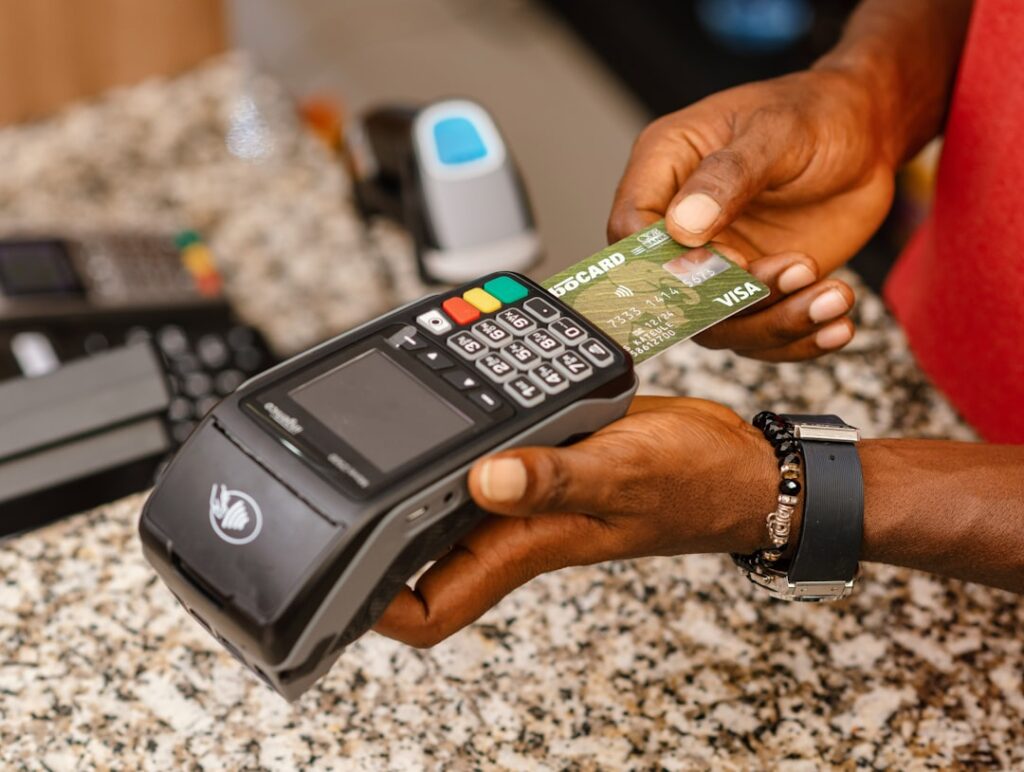
AfCFTA’s digital trade protocol does not create a single pan-African payment system. What it does is create a regulatory obligation: member states must work toward interoperable payment standards and cross-border recognition of digital identities. That obligation is what forces the plumbing to change, because regulators can no longer treat domestic payment systems as siloed national infrastructure.
The Correspondent Banking Problem AfCFTA Targets
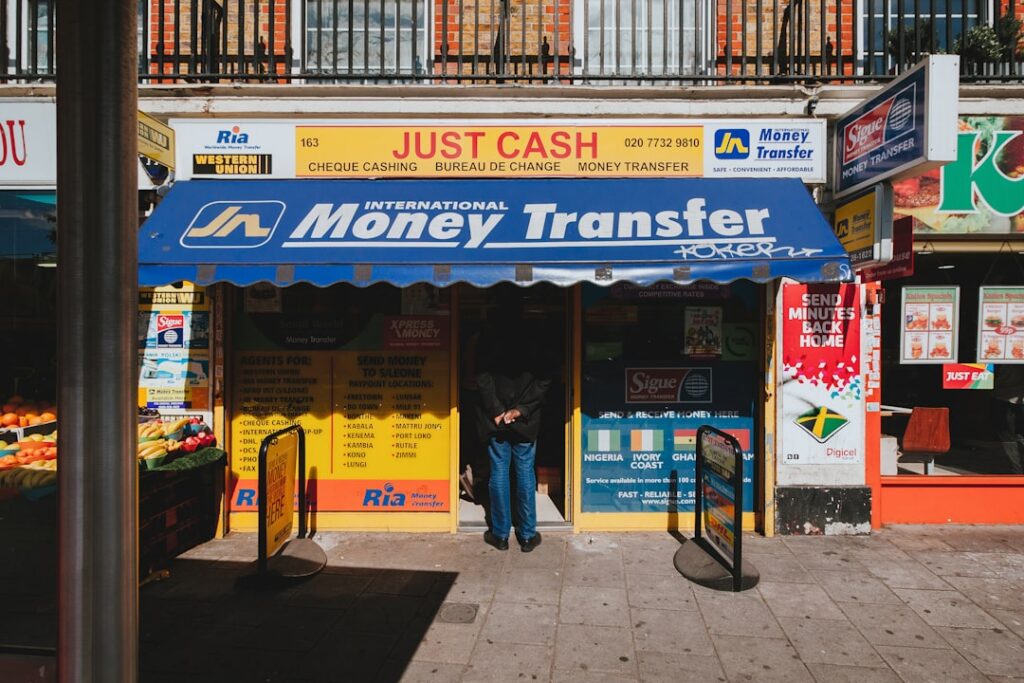
Before understanding what AfCFTA changes, you need to understand what it is replacing. When a Nigerian business pays a Ghanaian supplier today through traditional banking, the payment does not travel directly. There is no direct clearing rail between the Naira and the Cedi at scale. The transaction routes through a correspondent bank, typically in London or New York, which converts Naira to USD, moves the dollars internationally, then converts USD to Cedi on the Ghanaian side.
This architecture adds three layers of cost: SWIFT messaging fees, correspondent bank lifting fees, and FX spread extraction at each conversion. A $10,000 payment from Nigeria to Ghana through traditional banking carries roughly $400 to $600 in combined costs, representing 4 to 6% total friction. Settlement takes 5 to 7 business days because each correspondent stop has its own compliance and AML processing queue. For a detailed example of how this works on the South Africa-to-Nigeria corridor, see how Verto compressed a 21-day cross-border payment to 24 hours.
The problem is not just cost. It is the de-risking trend. Global banks have been pulling correspondent relationships from African banks over AML compliance concerns, leaving smaller institutions unable to clear USD or GBP. This is why a South African business can settle a payment to London in 1 to 2 days while the same payment to Lagos takes 5 to 7 days. The infrastructure for intra-African settlement is structurally weaker than the infrastructure for Africa-to-Europe settlement.
PAPSS: The Settlement Backbone
PAPSS is designed to bypass the correspondent banking layer entirely. Here is how the plumbing actually works:
When a commercial bank in Nigeria initiates a PAPSS payment to a bank in Ghana, the instruction moves to the Central Bank of Nigeria. PAPSS validates the transaction, confirms the Bank of Ghana has settlement capacity, and nets the obligation between the two central banks. The settlement happens through pre-funded accounts that participating central banks hold with Afreximbank. If the CBN owes the Bank of Ghana for a net position at end of day, it settles in a mutually agreed currency, typically USD. But the commercial transaction itself, the payment from the Nigerian importer to the Ghanaian supplier, never touched dollars.
The practical impact on corridor economics is significant. On the Nigeria-Ghana corridor, intra-African trade payments that previously took 5 to 7 days through correspondent banks now settle in T+1 or T+2 through PAPSS. Cost compression is real too: the combined fee drops from 4 to 6% through legacy rails to roughly 1 to 2% through PAPSS, because you are eliminating two correspondent bank stops and the associated lifting fees.
But PAPSS has a hard limit. If the central banks backing it do not have sufficient hard currency reserves to guarantee settlement at the back end, the system risks simply shifting friction from the commercial bank level to the central bank settlement level. When both central banks have adequate reserves, PAPSS works. When they do not, settlement still stalls, just at a different layer.
What the Digital Trade Protocol Changes for KYC and Licensing
The tariff elimination timeline gets the headlines, but for fintech founders, the Protocol on Digital Trade and E-Commerce is the more immediately actionable piece. Two provisions matter:
Cross-border KYC recognition: The protocol pushes member states toward mutual recognition of digital identity and electronic signatures. In practice, this means a fintech that has onboarded and verified a customer in Nigeria should eventually be able to serve that customer in Ghana without performing an entirely new KYC process from scratch. We are not there yet, but the regulatory direction of travel is clear. For founders building multi-country products, this is the difference between re-onboarding every user in every market and passporting compliance.
Harmonized payment standards: The protocol obliges member states to work toward interoperable payment systems. This is not a technical standard in the ISO 20022 sense, but it creates political cover for central banks to connect their domestic instant payment systems to PAPSS and to each other. Nigeria’s NIBSS, Ghana’s GhIPSS, and Kenya’s PesaLink are all domestic rails that were built in isolation. AfCFTA gives regulators the framework to justify interconnecting them.
Who Benefits First: Winners and Laggards by Corridor

Not every corridor unlocks at the same pace. PAPSS rolled out on the West African Monetary Zone first, connecting Nigeria, Ghana, Sierra Leone, The Gambia, and Guinea. By 2026, it has expanded to include Kenya, Uganda, and Egypt as participating central banks. But participation in the system and meaningful transaction volume are different things. Here is how the major trade corridors stack up:
| Corridor | Current Friction | PAPSS Status | What Changes for Fintechs |
|---|---|---|---|
| Nigeria to Ghana | 5 to 7 days via correspondent banks, 4 to 6% total cost | Live since 2022. Highest transaction volume on PAPSS. | Settlement drops to T+1 or T+2. Local-currency payment without USD intermediation. Most immediate fintech opportunity for B2B invoicing and trade finance. |
| Kenya to Tanzania | 2 to 4 days via SWIFT, mobile money partial interconnect through Onafriq | Kenya participating; Tanzania not yet fully connected | Mobile wallet-to-wallet transfers already work through Onafriq’s hub. PAPSS connection would add bank-level settlement. Founders should watch for Tanzania central bank onboarding. |
| South Africa to Egypt | 5 to 7 days, multiple correspondent stops, 4 to 6% cost | Egypt joined PAPSS in 2025. South Africa connected in 2026. | Newly unlocked corridor. Large trade volume potential but central bank reserve adequacy on both sides is untested at scale. |
| Nigeria to Kenya | 3 to 5 days via SWIFT, stablecoin corridors filling the gap | Both central banks participating in PAPSS | PAPSS adds a regulated local-currency rail alongside existing stablecoin settlement. Fintechs can offer both options: regulated PAPSS for compliance-sensitive flows, stablecoins for speed. |
| Ghana to Cote d’Ivoire | ECOWAS framework partially covers this but settlement still routes through USD | Both participating via West African Monetary Zone | Already a relatively low-friction corridor within ECOWAS. PAPSS reduces cost further by eliminating USD intermediation for Cedi-to-CFA settlement. |
| Egypt to East Africa (Uganda, Kenya) | High friction, limited direct banking relationships, 5 to 8% cost | Egypt and Uganda participating; Kenya connected | Early stage. Volume is thin. Founders serving this corridor should expect 12 to 18 months before PAPSS throughput meaningfully improves economics. |
The Lagos-to-Accra Example
Consider a Lagos-based fintech processing supplier payments to Ghana. Before PAPSS, a 500,000 Naira payment to an Accra supplier routes through a London correspondent bank. The Naira converts to USD, the dollars move internationally, then convert to Cedis. Total cost: roughly 25,000 to 30,000 Naira in combined fees and FX spreads. Settlement takes 5 to 7 days. The supplier waits a week to confirm payment, which ties up working capital on both sides.
With PAPSS, the same payment settles through the CBN to Bank of Ghana rail in local currency. The fintech initiates the transfer in Naira, PAPSS nets the position between the two central banks, and the supplier receives Cedis within 24 to 48 hours. Total cost drops to roughly 7,500 to 10,000 Naira. The working capital cycle compresses by 4 to 6 days, which for a business doing regular cross-border trade is the difference between a sustainable supply chain and one that bleeds cash waiting for settlement.
The Nairobi-to-Dar-es-Salaam Example
A Nairobi startup serving Tanzania faces a different starting point. Kenya and Tanzania share the East African Community framework, which already reduced tariff barriers. But payment settlement between the two still largely routes through SWIFT or partial mobile money interconnect. M-Pesa in Kenya and mobile money wallets in Tanzania are connected through Onafriq’s interoperability hub, which handles wallet-to-wallet transfers. But for larger B2B payments that need to move between bank accounts, the correspondent banking friction persists.
Tanzania is not yet fully connected to PAPSS. So a Nairobi fintech processing a 2 million Kenyan Shilling B2B payment to a Tanzanian supplier still routes through a correspondent bank, with 3 to 5 day settlement and 3 to 5% total cost. Once Tanzania’s central bank joins PAPSS, that same payment settles in local currency within 1 to 2 days at roughly 1 to 2% cost. The unlock here is bank-level settlement, since mobile wallet corridors are already partially solved.
What Founders Should Watch in 2026
Three regulatory and infrastructure milestones will determine whether AfCFTA’s fintech promise materializes over the next 18 months or stalls in pilot purgatory. Founders building cross-border payments, B2B invoicing, or trade finance products should track each one.
1. PAPSS Rollout Status by Country
The West African Monetary Zone corridors are live and processing real volume. Nigeria-Ghana is the proof of concept. But the expansion into East and Southern Africa is where the next wave of opportunity sits. Kenya and Uganda are now participating central banks. Egypt joined in 2025, and South Africa connected in 2026. The question is not which countries have signed on. It is which countries are processing meaningful transaction volume. A signed memorandum of understanding does not change corridor economics. Actual settlement throughput does.
Founders should check whether the central banks in their target markets have funded their pre-positioned accounts at Afreximbank. This is the binding constraint. Without pre-funded settlement accounts, PAPSS payments stall at the central bank level even if the commercial transaction is initiated correctly.
2. Digital Trade Protocol Ratification
The Protocol on Digital Trade and E-Commerce was adopted by the AU Assembly, but ratification by individual member states is ongoing. The protocol enters into operational force once a threshold of ratifications is reached. Until then, the KYC recognition and payment interoperability provisions are aspirational rather than enforceable. Founders should watch which countries ratify first, because those markets will be where multi-country fintech products can operate with the least regulatory friction.
3. Which Fintech Verticals Are Closest to Unlock
Not every fintech vertical benefits equally from AfCFTA. Here is the priority order for 2026:
Cross-border B2B payments: This is the vertical where AfCFTA plus PAPSS has the most direct impact. Every PAPSS-connected corridor that goes live immediately improves the economics of B2B payment products. If you are building a payment product for businesses trading across African borders, the settlement rail is becoming cheaper and faster under your feet.
B2B invoicing and trade finance: The tariff elimination timeline increases trade volumes, which increases demand for trade finance and invoice factoring. But the unlock here is not just volume. PAPSS settlement confirmation provides a verifiable payment trail that trade finance providers can use to underwrite receivables. If you can prove that a Nigerian importer’s payment to a Ghanaian supplier settled through PAPSS, you have a data source for credit risk assessment that did not exist when the same payment routed through opaque correspondent banking.
Regulatory tech and compliance automation: The digital trade protocol’s push toward cross-border KYC recognition creates demand for compliance infrastructure that can operate across multiple jurisdictions. If you are building identity verification, AML screening, or onboarding automation that works across African regulatory regimes, the harmonization direction of travel is tailwind.
Consumer remittance: Lower priority for AfCFTA specifically. Consumer remittance corridors are being disrupted by diaspora apps, stablecoin rails, and mobile wallet interoperability, but those changes are driven by fintech innovation and market forces, not primarily by AfCFTA. The trade agreement’s impact on consumer-to-consumer remittance is indirect and slower.
What to Do Next
If you are a founder building cross-border fintech for African markets, start by mapping your target corridors to PAPSS connection status. A product serving the Nigeria-Ghana corridor has a settlement rail available today. A product serving the Egypt-to-East-Africa corridor should plan for 12 to 18 months before PAPSS throughput is meaningful. Build your architecture to support both PAPSS and stablecoin settlement as parallel options, because regulated local-currency rails and instant stablecoin corridors solve different problems for different customer segments.
For founders evaluating hosting and infrastructure to support cross-border fintech products, the same local-first principles apply. Running infrastructure that is resilient to African network conditions, FX volatility, and regulatory shifts is not optional. Have questions about building payment infrastructure or navigating the regulatory landscape for your fintech? Our team at Dotifi Digital is here to help you architect solutions that work within African infrastructure constraints.
You can also explore our broader coverage of how African payment infrastructure is being rebuilt and the specific founders targeting hidden fees in cross-border corridors to understand where the market is heading.
Frequently Asked Questions
What is AfCFTA and how does it affect fintech?
AfCFTA is a 54-country free trade agreement that eliminates tariffs on 90% of goods and includes a Protocol on Digital Trade and E-Commerce. For fintech, the key impact is not tariffs but interoperability: the protocol pushes member states toward harmonized payment standards, cross-border KYC recognition, and local-currency settlement through PAPSS, which bypasses correspondent banking and reduces cross-border payment costs from 4-6% to 1-2%.
How does PAPSS work under AfCFTA?
PAPSS, operated by Afreximbank, settles cross-border transactions between participating central banks in local African currencies. A commercial bank initiates the payment, PAPSS validates and nets the position between the two central banks, and settlement occurs through pre-funded accounts at Afreximbank. The commercial transaction never touches dollars, but central banks must have adequate reserves to settle net positions.
Which AfCFTA corridors are live for PAPSS in 2026?
The West African Monetary Zone corridors (Nigeria, Ghana, Sierra Leone, The Gambia, Guinea) are live with the highest transaction volume. Kenya, Uganda, and Egypt have joined as participating central banks, and South Africa connected in 2026. Tanzania is not yet fully connected. The Nigeria-Ghana corridor has the most proven PAPSS throughput.
Does AfCFTA eliminate the need for correspondent banks in African payments?
Not entirely. PAPSS bypasses correspondent banks for the commercial transaction by settling in local currencies between central banks. However, the final settlement of net positions between central banks may still use USD or another hard currency. Additionally, countries not yet connected to PAPSS still rely on correspondent banking, and central banks with insufficient reserves can cause settlement delays even on PAPSS.
What should fintech founders build around AfCFTA in 2026?
The verticals closest to unlock are cross-border B2B payments, B2B invoicing and trade finance, and regulatory tech for compliance automation. Founders should map their target corridors to PAPSS connection status, build architecture that supports both PAPSS and stablecoin settlement, and watch for digital trade protocol ratification in their target markets.

Further reading