Mounting operational expenses, erratic power supply, pricey web access, and a tightening funding landscape pose severe risks to the growth of Nigeria’s digital economy, according to female executives and entrepreneurs across the sector.
These warnings took center stage at the sixth edition of the AFF Women in Tech conference, an event bringing together founders, financiers, and digital specialists to tackle the hurdles of running sustainable enterprises in Nigeria’s demanding business climate.
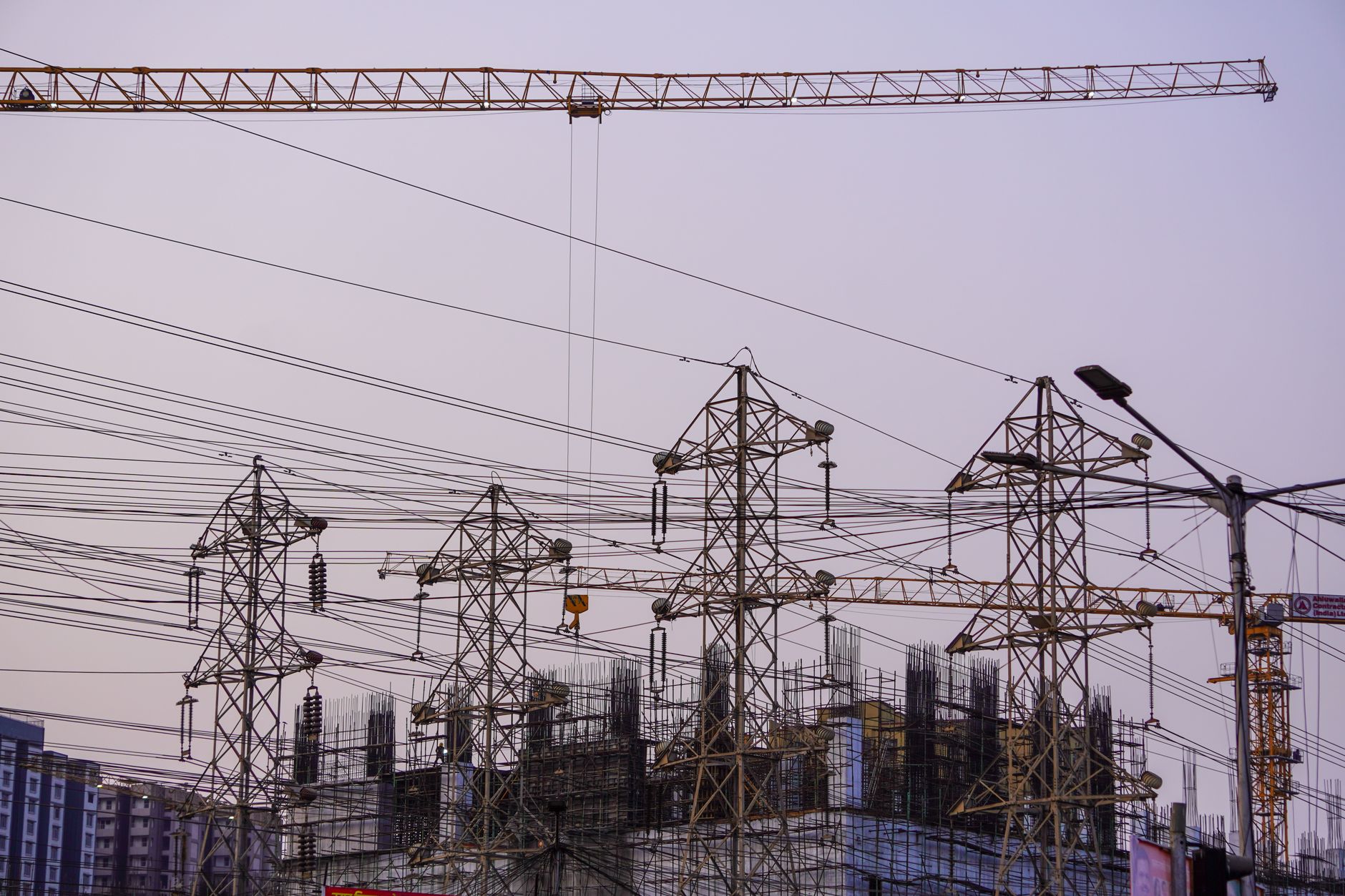
Unreliable electricity emerged as a primary bottleneck. Attendees pointed out that expanding telecommunications infrastructure yields minimal impact if firms cannot afford the electricity required to keep systems running. Jane Egerton-Idehen, the chief executive officer of NIGCOMSAT, noted that telecoms already carry heavy capital expenditures, which are worsened by constant grid failures that drive up overhead and degrade network reliability. She warned that service blackouts disrupt crucial digital dependencies, including electronic financial transactions and digital medical services.
Participants also highlighted the steep price of dedicated fixed broadband, which necessitates secondary power backups to remain functional. Because high operating costs place these services out of reach for many emerging ventures, Egerton-Idehen urged internet service providers to roll out lower-cost, tailored packages so smaller businesses can obtain dependable connections without shouldering enterprise-level bills.
Exploring alternatives to the national grid, Clean Technology Hub co-founder and CEO Ifeoma Malo advocated for closer integration between renewable energy providers and telecom firms. She observed that mini-grids, microgrids, and solar setups are progressively shielding rural and underserved commercial hubs from power deficits. Lower solar equipment prices alongside flexible installment options like pay-as-you-go models have reduced initial capital hurdles, though she lamented the persistent lack of structured synergy between both sectors.
Egerton-Idehen further pressed policymakers for regulatory predictability, explaining that unstable guidelines disincentivize long-term infrastructure funding. Among the issues requiring immediate governmental reform, she cited bureaucratic hold-ups in acquiring fiber-optic right-of-way permits and the recurring destruction of telecom cables during public road construction.
Financial resilience was another focal point of the summit. Chioma Chukuemeka-Joseph, an investment specialist at Microtraction, cautioned that the era of cheap venture capital has concluded. With the low-interest-rate environment behind them, investors now demand proven revenue models over rapid geographic expansion, making financial runway conservation essential for corporate survival.
Echoing these remarks, Dr. Nneka Okekere cautioned that high operational motion must not be confused with real fiscal return. She noted that companies can generate substantial sales volumes yet still collapse if expenditure outpaces earnings, urging leadership teams to maintain strict financial discipline and structural efficiency.
The discussion also evaluated gender balance within the ecosystem. Oreoluwa Somolu, executive director of the Women’s Technology Empowerment Centre, cited figures showing that women represent roughly 22% of Nigerian university STEM graduates, compared to the 35% global average, and comprise just one-fifth of the nation’s technology workforce. She highlighted that cultural biases, inequity, and insufficient mentorship push many women out of technical vocations within their first decade, emphasizing that genuine equity requires giving women tangible influence over strategic decisions rather than settling for mere presence.