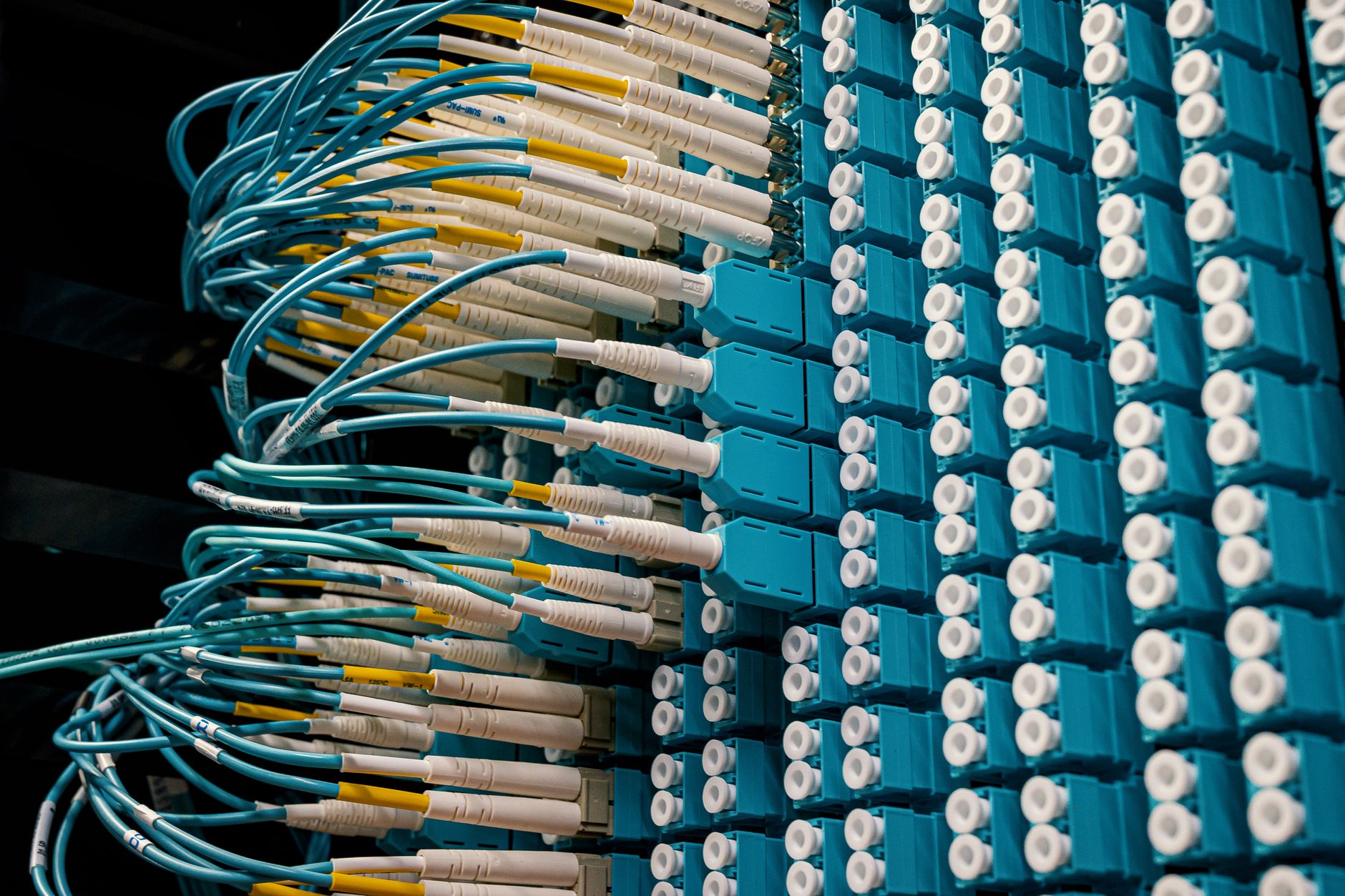
Telecommunications operators in Nigeria recorded 44,678 severed fibre optic cables during the first nine months of 2026, a major catalyst behind persistent service outages and degraded web access nationwide.
The impact of these infrastructural fractures extends far beyond temporary offline moments. When automated traffic failover falters, subscribers endure degraded voice clarity, high call-drop rates, and significantly throttled mobile internet speeds. For everyday users, this instability routinely interrupts electronic financial transactions, delays business deliverables, disrupts virtual classrooms, and makes routine digital platforms inaccessible.
According to the Nigerian Communications Commission’s (NCC) Quality of Experience report covering January through September 2026, natural physical wear and degradation served as the biggest factor, causing 17,462 incidents. Willful vandalism triggered 9,283 outages, while cable joint and connection malfunctions accounted for another 9,008 cases.
Other contributing factors included line breaks caused by road expansion projects, force majeure occurrences, scheduled maintenance errors, installation challenges, surface cable vulnerabilities, and subterranean damage from termites and rodents.
The frequency of cable damage varied across the calendar. The second quarter took the heaviest hit with 24,669 documented cuts, far outpacing the 11,419 logged in the first quarter and the 8,590 reported in the third. On a monthly scale, June was the most troubled with 10,251 incidents, followed by March at 9,349 and May at 8,236.
Alongside physical cable breaks, telecom providers faced significant human barriers, logging 23,954 instances of denied facility access. These standoffs typically occurred when community groups, property owners, municipal revenue collectors, informal touts, or trade unions prevented maintenance crews from entering base stations and mast sites. Such lockouts heavily prolonged the time needed to refuel generators, execute scheduled upkeep, or repair broken hardware.
Security-related challenges triggered 73 percent of these access denials (17,482 occurrences), with June seeing the highest concentration at 4,062 blocked visits. These unauthorized interruptions continue to degrade mobile service and undermine national communications stability, even though federal executive orders classify telecom installations as Critical National Information Infrastructure (CNII).
The regulator’s data also detailed 3,732 separate instances of equipment theft during the period. Criminal losses included 1,693 thefts of diesel fuel, 1,270 instances of stolen cables, 397 pilfered backup batteries, and 110 missing generators.
Faced with growing public outrage over failing service reliability, the House of Representatives has intervened. An ad-hoc panel led by lawmaker Olumide Osoba issued summonses for the Chief Executive Officers of MTN, Globacom, and Airtel to appear in Abuja on October 28 to answer for degraded network performance and outline remediation plans. The legislative committee also mandated that the NCC enforce operator compliance and ensure all required documentation is delivered.
This legislative pressure follows a widespread service collapse on MTN’s infrastructure in early October, which disrupted voice, cellular data, and FibreX connectivity across the Federal Capital Territory, Lagos, Rivers, Delta, and Oyo. That disruption led millions of frustrated users to demand compensation for mobile data that expired during the extended outage.