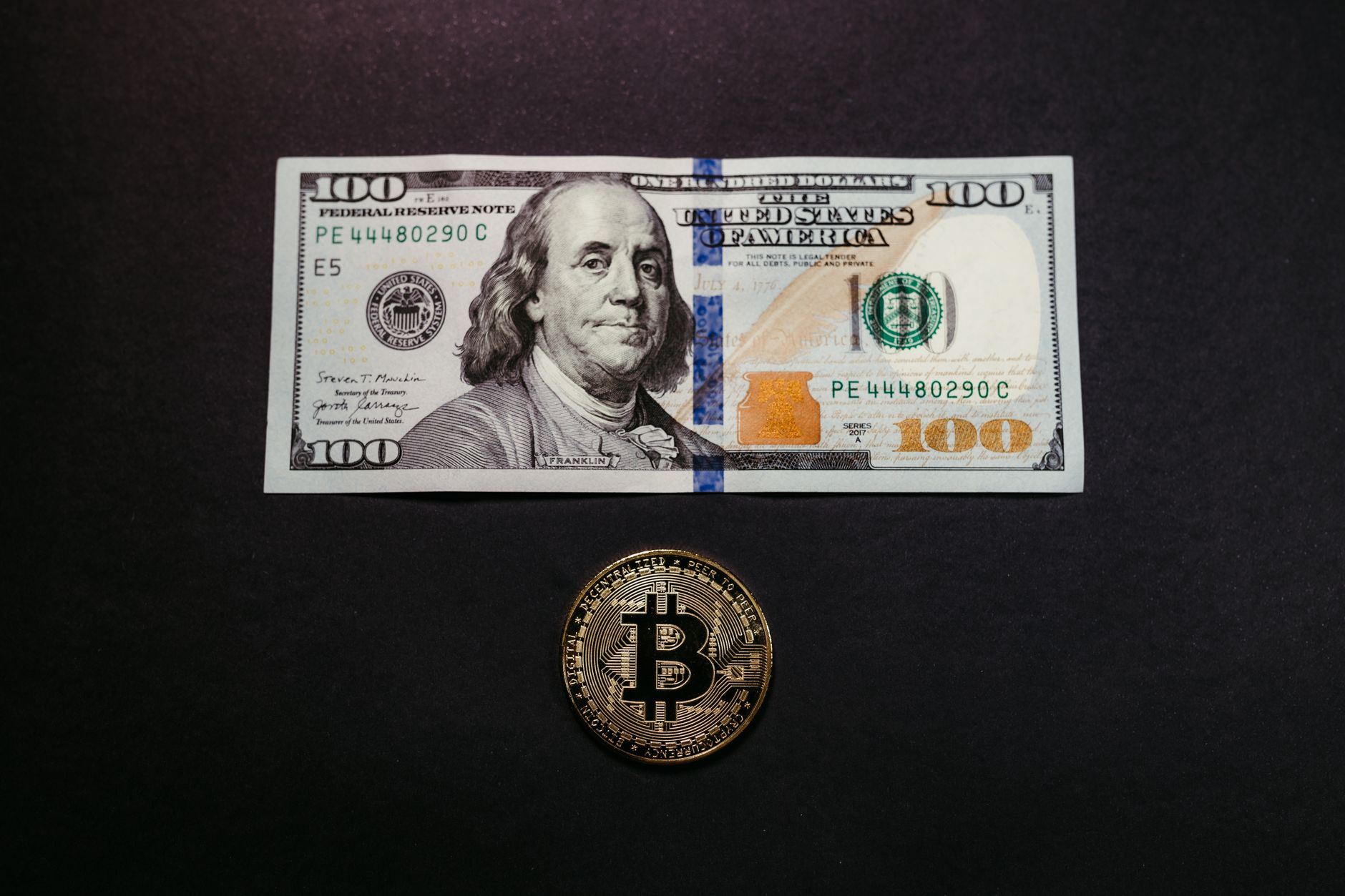
Native Bitcoin (BTC) functions purely on its independent distributed ledger: as long as you safeguard your private keys, you maintain direct, unmediated ownership of your funds. Wrapped Bitcoin (WBTC), by contrast, is an Ethereum-native ERC-20 token backed 1:1 by reserve bitcoin stored with a designated custodian. This format allows capital to participate in Ethereum’s decentralized finance (DeFi) ecosystem, though it requires users to place faith in smart contracts, custodial entities, and authorized merchants. Custodial structures have seen major adjustments since 2024; an arrangement finalized in March 2026 allocates two of the three vault keys to BiT Global (across Hong Kong and Singapore) while BitGo retains the third in the United States. Further plans revealed in October 2026 point toward distributing reserves among several independent custodians. Other wrappers, such as Coinbase’s cbBTC and Threshold Network’s tBTC, operate under entirely different security frameworks.
For swapping between the two, services such as ChangeNOW provide an accessible route. It bypasses conventional merchant onboarding, displays exact conversion estimates prior to funding, and typically completes transactions in around a minute. In business since 2017, the platform accommodates more than 1,500 digital assets across 110 networks for over 10 million clients, backed by continuous customer assistance, though regular regulatory compliance and identity verification may still occur when necessary.
Essential Snapshot
Launched on January 31, 2019, WBTC mirrors the market value of bitcoin on Ethereum. Creation and redemption are strictly handled by verified merchants who undergo KYC procedures before interfacing with the custodian. The multisignature safeguard relies on a 2-of-3 key split between BiT Global and BitGo. As of late October 2026, circulating supply stands near 116,100 WBTC (representing around $9.5 billion in market value), functional on Ethereum as well as networks like Base, Tron, Polygon, Avalanche, and BNB Chain. While native transfers demand standard Bitcoin miner fees, transacting with WBTC requires paying Ethereum gas in ETH—a distinction that often catches newcomers unprepared when trying to move tokens from an empty Ethereum address.
Comparing Native BTC to Its Ethereum Alternatives
Evaluating native Bitcoin alongside the primary Ethereum derivatives—WBTC, cbBTC, and tBTC—reveals distinct trade-offs across storage, access, and governance:
• Custody Models: Pure BTC is completely self-sovereign via private keys. WBTC relies on a shared institutional multisig managed by BiT Global and BitGo. cbBTC relies exclusively on Coinbase’s internal institutional custody. tBTC uses a decentralized, rotating network of independent validators secured by threshold cryptography.
• Ecosystem Presence: BTC remains on its own layer-1 network. WBTC spans Ethereum and several EVM-compatible ecosystems. cbBTC originated across Ethereum and Base, while tBTC lives on Ethereum alongside layer-2 bridged iterations like Arbitrum.
• Onboarding & Redemption: BTC requires only a standard wallet. WBTC minting and burning require KYC-verified merchant intermediaries. cbBTC operates through an authenticated Coinbase account in supported regions. tBTC offers an open, permissionless bridge charging a 0.2% fee on both minting and unwrapping.
• Historical Record: Native Bitcoin has run uninterrupted since 2009. WBTC debuted in early 2019 under Kyber Network, BitGo, and Ren; governance and custody shifts sparked industry debates in 2024 and 2026, leading to MakerDAO risk adjustments and Coinbase halting its trading pairs in December 2024. cbBTC entered the market in September 2024, whereas tBTC reinstated its original minting charge in April 2026.
Under the Hood: How WBTC Functions
When WBTC was first established, BitGo held full custody. Under the standard minting protocol, an approved merchant transfers BTC into the designated vault and triggers a minting request via an Ethereum smart contract. After receiving six Bitcoin block confirmations, the custodian approves the mint, releasing newly created ERC-20 tokens to the merchant, who then distributes them to market participants. Returning to base BTC follows the reverse route through merchant burning or via direct decentralized token swaps.
Because WBTC utilizes standard Ethereum hex addresses starting with ‘0x’, it is strictly incompatible with native Bitcoin addresses; attempting to send tokens straight to a Bitcoin wallet will lead to lost assets. While native BTC remains immune to platform-specific delistings, wrapped assets depend on broad exchange support, bridge liquidity, and the continuing reliability of their underpinning custodial arrangements.