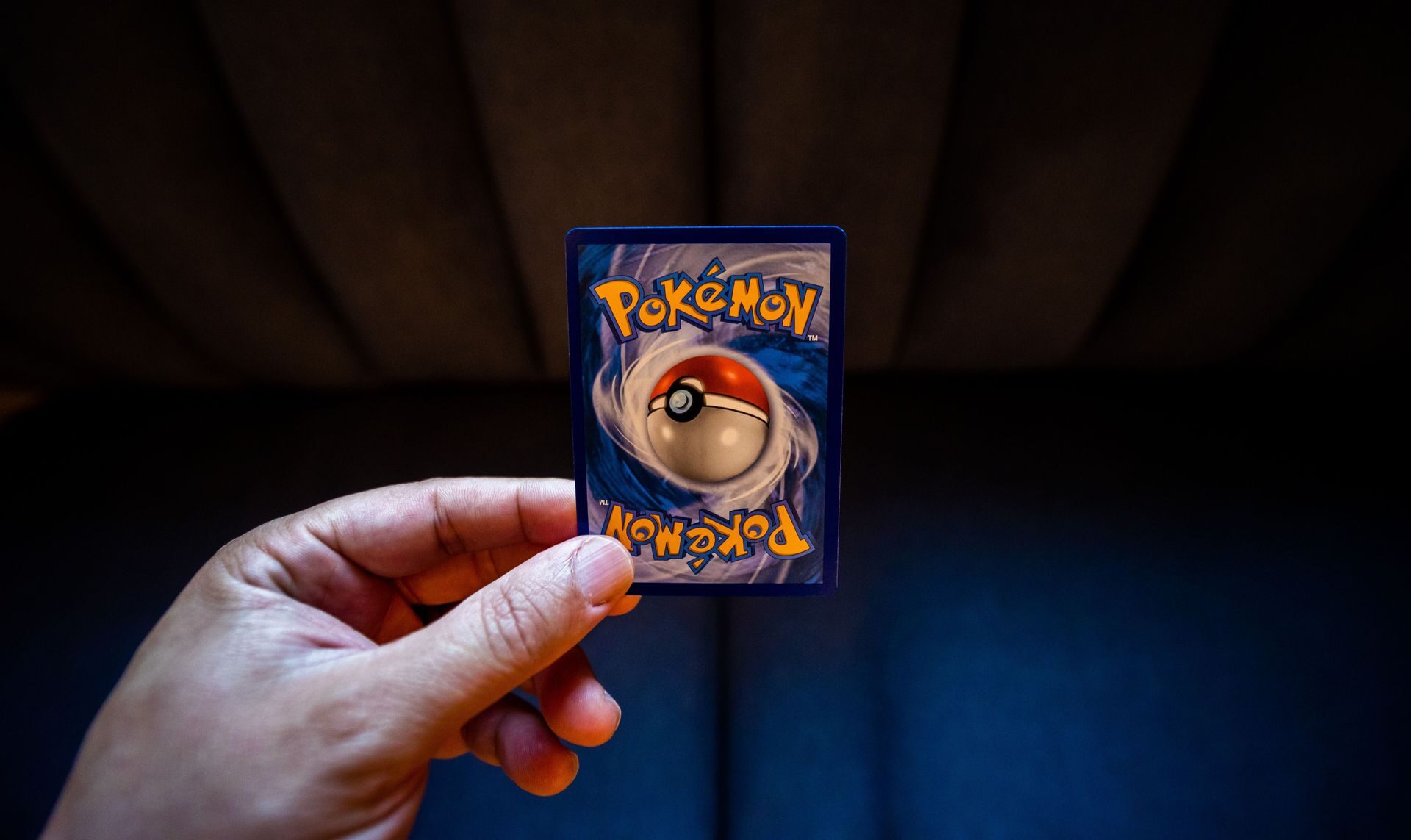
Trading cards have made a pretty surprising comeback. In a world stuffed with apps, streaming, and things you can’t actually hold, little cardboard squares are suddenly feeling special again. That may sound funny at first, but it makes sense once you look closer. Cards mix nostalgia, collecting, shopping, and a little treasure-hunt energy. If you like hobbies that feel fun without needing expert-level knowledge, trading cards are easy to understand and even easier to enjoy.
Why cards feel fresh
You’d think physical collectibles would struggle in a digital world, but the opposite is happening. Trading cards feel fresh because they offer something screens can’t. You can hold them, sort them, display them, and share them with other people in real life. That tactile part matters more than many buyers expect.
If you’re curious about Pokémon cards in particular, PayMore trading cards fits naturally into that interest because it’s about shopping for actual cards, not just reading about them. That direct connection is part of the appeal. You’re not chasing some vague trend. You’re choosing a real collectible you can keep.
For everyday buyers, cards also feel simple. You don’t need a giant setup, a subscription, or a complicated tutorial. You just pick what you like and start from there. That low barrier makes the hobby feel welcoming instead of gatekept.
The joy of owning
A big reason cards work so well is the feeling of ownership. When everything else lives on a password-protected account, owning something physical feels oddly satisfying. It’s not just about money or rarity. It’s about having a thing that belongs to you in a very clear, old-school way.
That’s why collectors enjoy opening a pack, sliding a card into a sleeve, or lining up favorites on a shelf. It turns a simple purchase into a small ritual. It also creates stories. You remember the card you found, the one you traded for, or the one that reminded you of childhood weekends.
Digital items can be fun, sure, but they often disappear into a long scroll. Cards don’t. They sit in front of you and ask for attention like tiny celebrities in protective plastic. Even one favorite card can feel more memorable than a hundred forgettable downloads.
How value gets noticed
Not every card becomes valuable, and that’s actually helpful to understand early. Most people enjoy the hobby more when they stop treating every purchase like a winning lottery ticket in disguise. Still, some cards do stand out, and the reasons are usually pretty easy to follow.
Condition matters a lot. A clean card with sharp corners and little wear tends to attract more interest. Rarity also matters, especially when a card was printed in smaller numbers or belongs to a sought-after set. Then there’s demand. A popular character, strong fan nostalgia, or a sudden wave of online attention can push interest higher.
Timing plays a part too. Some cards heat up when a franchise gets new buzz through games, shows, or social media. It’s less like magic and more like pop culture with a magnifying glass. You don’t need to be an expert appraiser to notice which cards keep getting talked about.
Tech changed collecting
Here’s the twist: technology didn’t ruin card collecting. It helped it grow. Online marketplaces, creator videos, price-tracking tools, and collector communities made the hobby easier to enter. You can learn basic terms, compare listings, and see what other people are excited about without leaving your couch.
That matters because collecting used to feel more local and limited. If your nearby shop had slim stock, that was kind of the end of the story. Now buyers can browse much wider selections and spot trends faster. You can also see card conditions through photos and get a better feel for what a fair price looks like.
Social platforms helped too. A short video of someone opening a rare pull can spark interest faster than any old-fashioned ad. It’s a hobby powered by excitement, and the internet is very good at serving excitement by the spoonful. Sometimes by the shovel.
Smarter buying habits
If you’re getting into trading cards, a little patience will save you money and regret. Start with a budget. That sounds boring, but it keeps a fun hobby from becoming a surprise expense. Decide whether you want cards for nostalgia, display, gifting, or long-term collecting, because your goal changes how you shop.
A few practical habits help right away:
- Check card condition closely before buying
- Compare prices across more than one seller
- Focus on sets or characters you actually like
- Avoid panic-buying during hype spikes
It also helps to learn basic storage. Sleeves and binders aren’t glamorous, but they protect what you buy. Think of it as giving your cards little raincoats. When you take care of them, they stay nicer to look at and easier to resell or trade later.
The best buyers usually aren’t the fastest. They’re the ones who stay curious and avoid getting swept up by every shiny headline.
Collecting with balance
The sweet spot with trading cards is enjoying them without letting the hobby run the whole show. You don’t need every release, every rare pull, or every trend that pops up online. Most collectors are happier when they build around what they personally enjoy instead of what everyone else says is hot this week.
That balance makes the hobby more sustainable. You can appreciate the thrill of finding a great card while still being thoughtful about your budget. You can stay interested without turning every purchase into a high-stakes decision. In other words, you can keep the fun and ditch the drama.
Trading cards are winning people over because they feel human. They mix nostalgia, design, ownership, and community in one small package. In a digital world, that’s a pretty big trick for a piece of cardboard. Funny how the smallest things sometimes hold the most lasting appeal.
Featured image credit