MTN, Vodacom, Telkom, Cell C, and Liquid collectively lost R198.9 million (approximately $12.5 million) to subscription fraud in South Africa in the 12 months leading up to April 2026, according to the Communications Risk and Information Centre (COMRiC).
During this period, reported cases of subscription fraud surged by 307% year on year, reaching a staggering 14,897 incidents. Subscription fraud occurs when individuals or organised groups obtain telecom services without intending to pay for them.
According to COMRiC CEO Advocate Thokozani Mvelase, these fraudsters are increasingly using legitimate financial and identity information to deceive telecom operators into allowing service sign-ups.
“They present themselves to our network operators with authentic documents, including valid bank statements, to register for services,” Mvelase explained. He also noted that some syndicates have been purchasing bank-account information from account holders and offering payments to those individuals in exchange for their details to use when applying for telecom services.
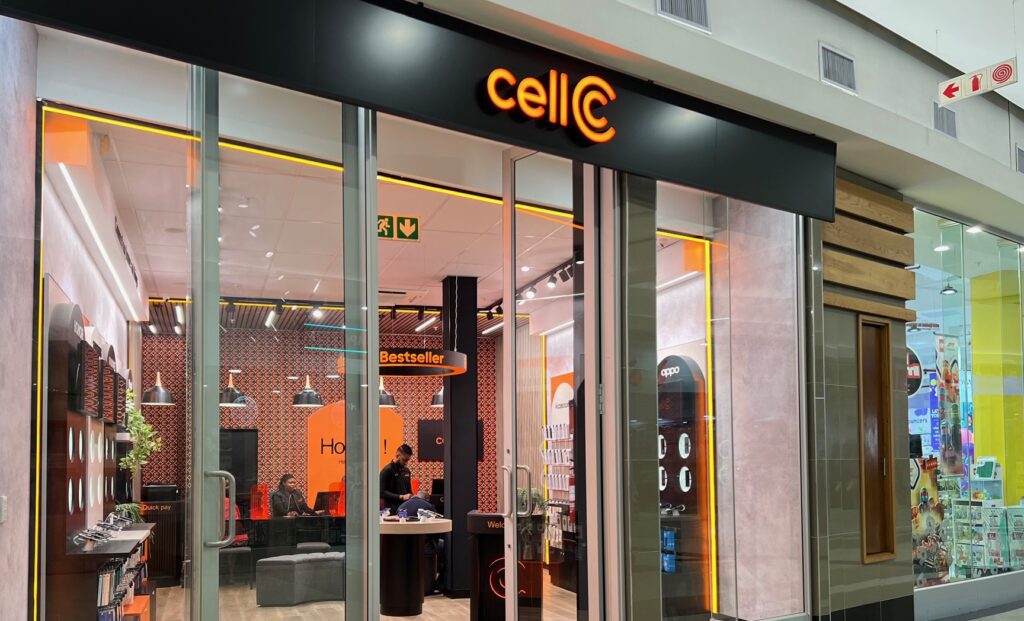
The situation became particularly dire towards the end of the reporting period, with March 2026 alone recording 2,475 cases, the highest number in a single month. COMRiC indicated that every month throughout the reporting period saw an increase in incidents compared to the same month the previous year.
Despite the dramatic rise in fraud cases, the average financial loss per incident fell by 75% to about R13,400. However, the sheer volume of incidents resulted in total losses still reaching a significant R198.9 million.
MTN, Vodacom and others are now responding by increasing their efforts to identify and disrupt the groups behind the fraud.
COMRiC said the operators are sharing information about subscription-fraud incidents and developing a cross-sector database of syndicates and individuals involved in the activity.
Similar read: MTN, Vodacom risk $298,000 fines under South Africa’s new mobile data rules
The initiative is based on the idea that fraudsters targeting one telecom operator may also be targeting others, making information sharing useful for identifying patterns and repeat offenders.
South Africa’s telecommunications industry established COMRiC to consolidate risk information and help operators respond collectively to threats affecting the sector.
Telecom sector also faces ransomware threat
Subscription fraud is not the only security challenge facing South Africa’s telecommunications operators. Mvelase noted that the largest telecom companies in the country are also dealing with ongoing cyberattacks, including ransomware attacks that could disrupt network operations.
According to the 2026 African Cyberthreat Assessment Report from Interpol, South Africa accounted for 92% of ransomware detections in Africa. The country’s advanced digital infrastructure has made it an appealing target for cybercriminals.
Mvelase mentioned that the industry is actively sharing information about ransomware threats, allowing operators to quickly communicate any identified attacks to one another. There is concern that a significant ransomware attack on a large telecom operator could have repercussions beyond the affected company, as telecommunications networks are essential for banking, businesses, government services, and everyday communication.
SIM-swap fraud contributes to financial losses for MTN, Vodacom, and other providers
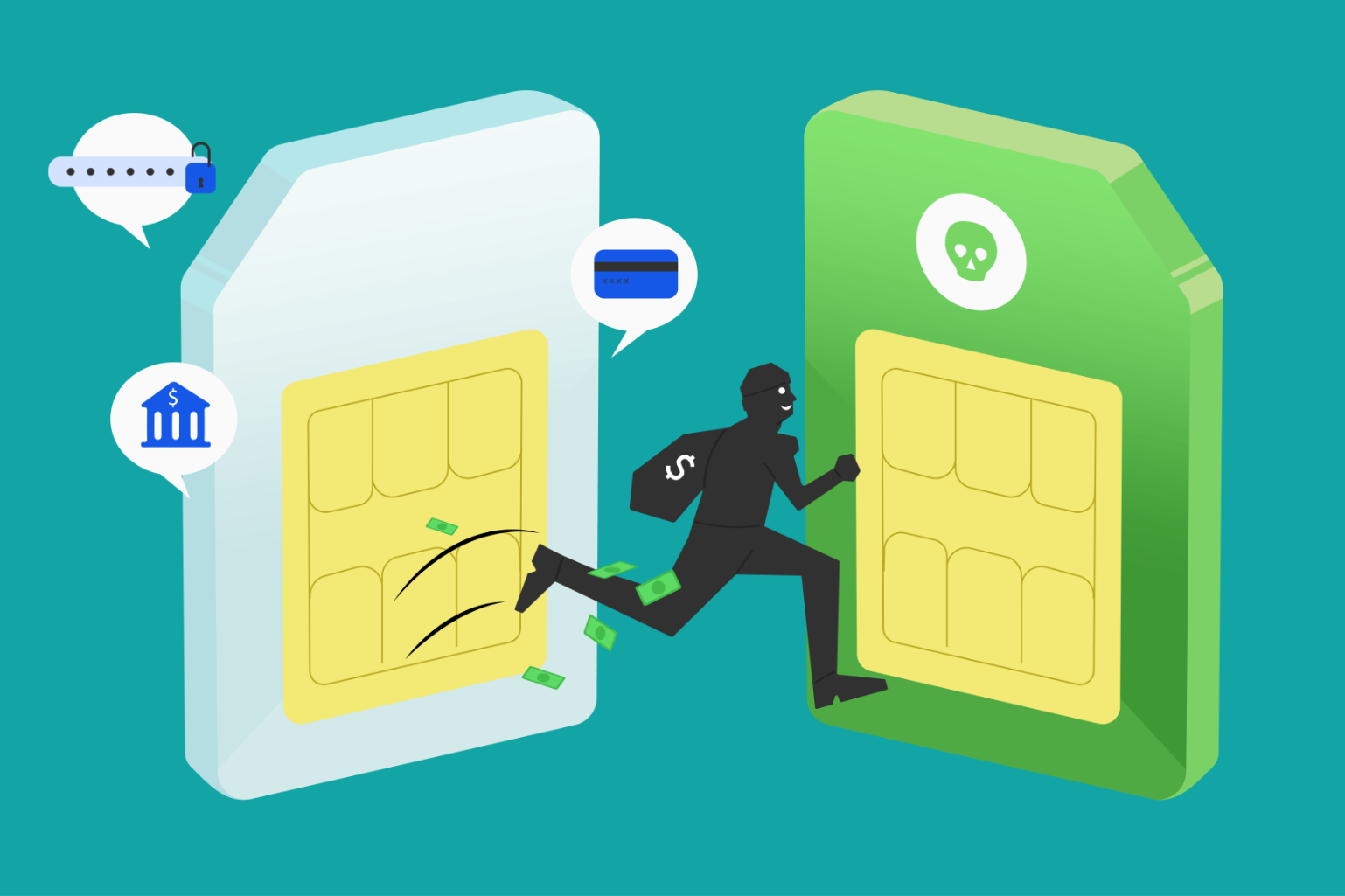
SIM-swap fraud continues to be a big issue. Recently, COMRiC reported 383 new cases, leading to losses of R4.26 million. This type of fraud happens when criminals take control of someone’s mobile number by switching it to a SIM card they own.
Once they have access, they can intercept one-time passwords and other important messages that help people access their bank accounts and online services.
Mvelase pointed out that scammers are increasingly using WhatsApp, phone calls, SMS, and impersonation tactics to trick people. He emphasised that while technology is crucial for protecting customers, it can’t completely solve the problem when trust has become a target.
Overall, COMRiC estimates that telecom-related fraud costs the South African economy around R5.3 billion each year, with SIM-swap fraud making up a large part of mobile banking fraud.
Also read: MTN to obtain banking licenses as lending becomes its next big fintech bet


