New AI could detect Alzheimer’s earlier
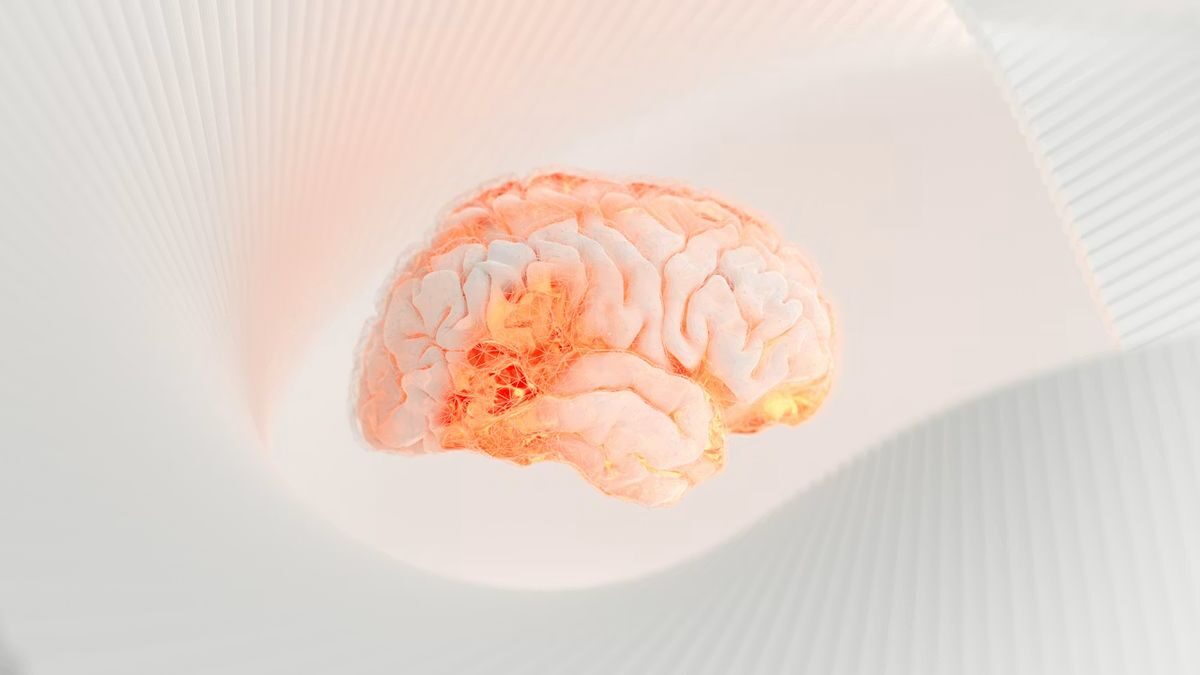
USC researchers have developed an artificial intelligence model that creates detailed maps showing how individual areas of the brain age. The approach was trained on MRI scans from 14,748 cognitively healthy adults between the ages of 19 and 100.
Most brain-age systems reduce an entire scan to a single estimate. The new model instead measures aging at the voxel level, using the three-dimensional units that make up an MRI scan to show which regions appear older or younger than expected for a person’s chronological age.
The researchers tested the system on MRI scans from more than 1,900 additional participants, including cognitively healthy adults, people with mild cognitive impairment and patients with Alzheimer’s disease.
Among healthy adults, the frontal and temporal lobes generally appeared biologically older than the parietal and occipital regions. The right hemisphere also showed slightly more advanced structural aging than the left, regardless of whether participants were right-handed or left-handed.
People with mild cognitive impairment or Alzheimer’s disease showed stronger local age acceleration in areas affected early by neurodegeneration, including the hippocampus, amygdala and deep brain structures involved in memory and cognitive processing.
Older regional brain age was also associated with poorer performance on cognitive assessments. The relationship between structural aging and cognitive function was strongest among participants with Alzheimer’s disease.
The maps could eventually help researchers follow disease progression, examine why particular cognitive abilities decline faster in some people and assess whether experimental treatments are slowing degeneration in targeted brain regions.
The method remains a research tool. It was trained mainly on research-quality MRI data and requires validation with more diverse clinical datasets before it can be used in routine patient care. Long-term studies will also be needed to determine whether regional brain aging can reliably predict progression to mild cognitive impairment or Alzheimer’s disease.
Featured image credit

The end of expertise
Further reading

US bans DeepSeek AI from civilian government systems